
Comparing Wholesale Furniture Quotes from Indonesia
October 31, 2026 · 6 min read
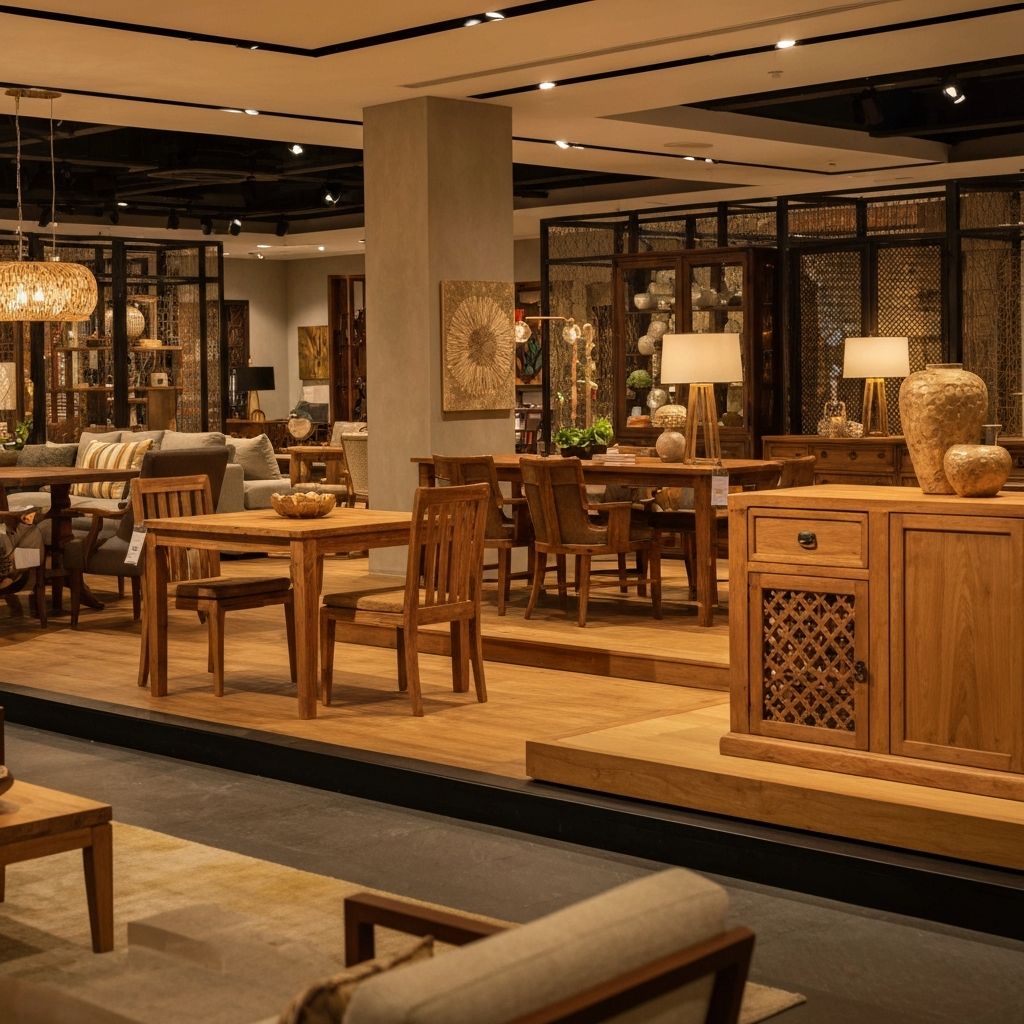
Compare wholesale furniture quotes from Indonesia by specifications, order quantities, samples, packing, delivery scope and payment conditions.
Two wholesale furniture quotations can show the same product description and still cover different purchases. One may include assembled furniture, protective cartons and an approved finish; another may assume partly assembled items, simpler wrapping and a finish that remains to be selected. Comparing only the unit price leaves those differences unresolved.
If you are sourcing wholesale furniture from Indonesia, compare what will be made, how it will be approved and where each party's responsibilities end. This guide offers a practical way to review proposals for an international retail collection or project order. It does not set Starwood's prices, minimum quantities or delivery terms.
1. Give every supplier the same starting information
Create one dated product schedule and use it for every quotation request. Identify each item with a code, dimensions, material direction, finish reference and quantity. Include the intended use and destination. Mark optional items and alternatives separately from the main request.
Ask suppliers to quote against that revision and list their assumptions. If a drawing changes, send the revision to everyone still under consideration. Otherwise, an apparently cheaper proposal may simply reflect an earlier, less demanding specification.
Starwood's wholesale furniture page outlines its approach to product development, mixed orders and repeat supply. Use those capabilities to begin a discussion, then ask for an order-specific response to your own schedule.
2. Check quantities and the unit being priced
Read the unit beside every price. A table and chairs may be quoted as individual pieces, a set or a packed combination. Confirm whether upholstery, cushions, hardware and other pictured components are included. Images help describe an item; they are not a substitute for a written inclusion list.
Ask how minimum order quantities apply. A minimum might be discussed by item, finish, collection or complete shipment. These are different constraints, so avoid reducing them to a single number in your comparison.
- Is the quoted quantity the quantity requested for each item?
- Are colour or finish variants counted separately?
- Are samples, spare parts and replacement covers separate lines?
- Does the proposal depend on combining particular items in one order?
- What happens to pricing if the product mix changes?
Ask for a revised quotation when the mix changes substantially. Do not assume that a previous unit price remains valid at a different quantity.
3. Compare development and approval scope
A custom product price may sit alongside separate charges for drawings, tooling, finish development or prototypes. Ask which activities are included, which are optional and which must happen before production. Confirm the cost and approval arrangements for requested revisions.
For a private-label collection, check labels, packaging artwork, photography and assembly information individually. The term “OEM” does not explain who supplies each file or pays for development. Our guide to private-label samples and repeat orders provides a more detailed approval checklist.
Specify any required product evidence at this stage. Ask what the quotation covers and what needs separate review. A broad reference to “export quality” does not identify a material, finish, inspection scope or destination requirement.
4. Separate the furniture price from delivery costs
Build your comparison around an agreed delivery point. Record the quoted currency, delivery term, named location and applicable version of the term. Then ask your logistics provider which onward costs are included, excluded or still estimated.
Check packing, inland transport, freight, insurance, destination handling, customs services and final delivery separately where relevant. Obtain current destination advice from your appointed freight or customs partner rather than carrying another buyer's assumptions into your order.
The ICC's Incoterms 2020 checklist distinguishes delivery arrangements for containerised or multimodal transport from goods delivered directly on board a vessel. It points buyers and sellers towards FCA in the former situation rather than treating FOB as the automatic choice for every shipment.
Confirm the appropriate arrangement with the parties handling your shipment. Starwood's export preparation information provides questions about packing and handover responsibilities to include in that discussion.
5. Read the schedule and payment conditions together
Ask what starts the quoted production period: order acceptance, payment, material availability, drawing approval or completion of all required approvals. Also establish what ends it. “Ready for shipment” and “delivered to your warehouse” are different milestones.
Record the dates you need for sample review, production release, inspection, shipment and receipt. Identify who must act at each stage. Where several item types are involved, ask whether they share one schedule or have different readiness dates.
Review payment stages, quotation validity, cancellation conditions, change charges and defect-reporting arrangements before accepting. Ask for unclear wording to be explained in the final commercial documents. Compare these conditions alongside price rather than discovering them after a deposit has been arranged.
6. Work through differences before choosing a supplier
Hypothetical comparison: a retailer requests 60 dining chairs and 15 tables for a new collection. Supplier A quotes fully assembled items in individual cartons. Supplier B quotes chairs with separate legs and tables requiring assembly, with several items consolidated in each pack. Both proposals describe the same quantities and timber direction.
Neither proposal is automatically better. The retailer needs to resolve several questions:
- Does the receiving warehouse have the space and staff to assemble the items?
- Are the proposed fittings and assembly instructions included for review?
- What are the packed dimensions and weights for each format?
- Can the intended sales channel use the proposed cartons?
- What additional handling or repacking would the retailer arrange?
The next step is to ask both suppliers to clarify these points or price the same packing and assembly scope. This example illustrates a comparison method; its quantities and arrangements are not Starwood's minimums or standard terms.
7. Close the comparison with a written decision record
Keep a short record of the accepted specification, quantity, sample process, packing, delivery point and commercial conditions. List exclusions visibly. If a saving depends on changing a material or finish, record the change and obtain the necessary design approval before accepting it.
Choose using the complete proposal and the evidence relevant to your order. A low price with unanswered scope questions is not yet a comparable quotation; a higher price also needs a clear explanation of what it includes.
Explore Starwood's trade programme for retailer, importer and commercial enquiries. When ready, send your product schedule and destination to the team, including your requested packing format and delivery milestone, so the quotation discussion begins with a shared specification.