
Teak Sun Loungers for Hotels: A Poolside Buying Checklist
November 2, 2026 · 6 min read
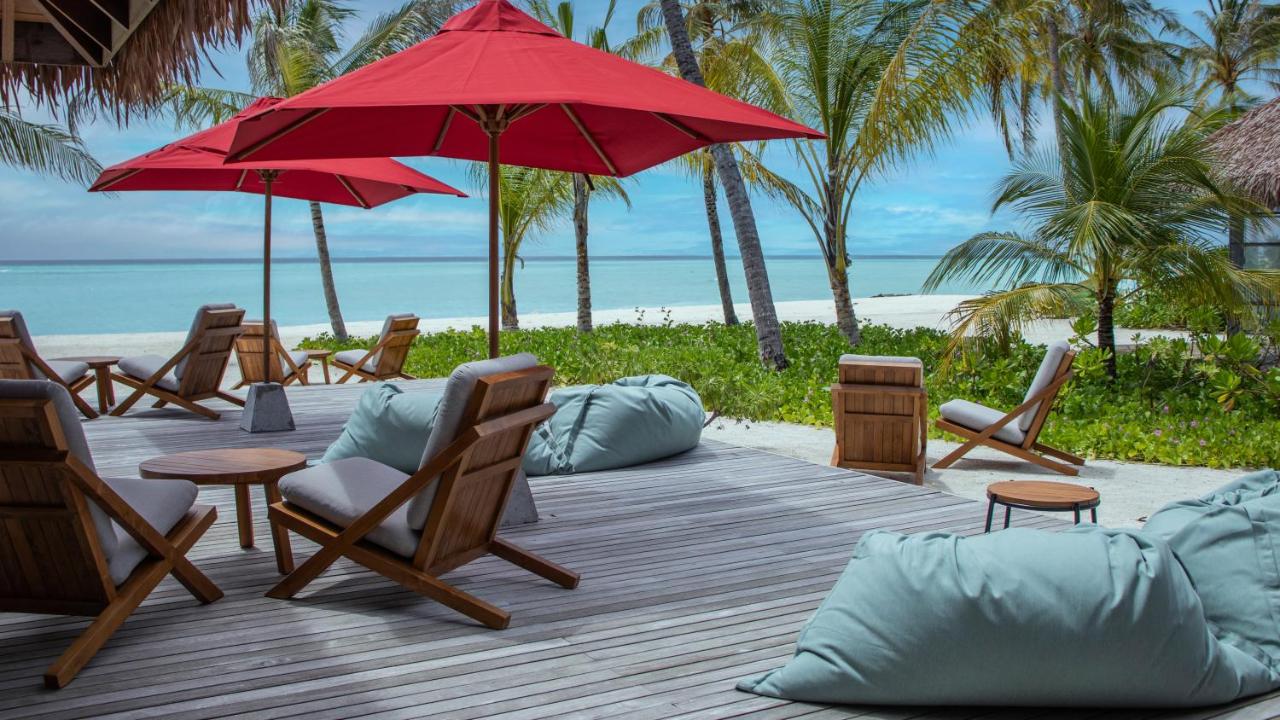
Choose teak sun loungers for hotels with a practical checklist for poolside layouts, cushions, reclining features, daily handling and quotation details.
When buying teak sun loungers for a hotel, compare the complete poolside arrangement: the space each lounger occupies in use, its seating surface, adjustment features, handling needs and the items included in the quotation. Review those details against your pool layout and operating routine before approving a quantity. An attractive product photograph cannot answer all of them.
For international resort buyers, a clear product schedule also makes it easier to compare proposals from different manufacturers. Starwood's lounger collection includes slatted, cushioned, curved and sling designs. Confirm the specification of the selected model rather than assuming that every lounger offers the same features.
1. Start with the spaces your guests will use
Separate the project into practical zones before counting loungers: the main pool, quieter terraces, beach areas and private villa decks may serve different guests and operating routines. Record the proposed quantity for each zone, along with nearby tables, parasols and other furniture.
Give the supplier a plan showing the available space and the furniture arrangement under consideration. Ask for dimensions in the relevant reclining positions, not just the product's upright height. Include the space needed for staff to move around and service the furniture.
Have the project designer confirm circulation, access and any applicable local requirements. A layout should not be approved simply because the furniture outlines fit inside the deck boundary. Gates, steps, doors, equipment and delivery routes also need to remain usable.
2. Compare cushions, slats and sling as separate options
Decide how the seating surface will work with the hotel's daily routine. For a cushioned design, confirm whether the cushion is included, its fabric and filling references, attachment method and cover access. Ask the operating team where cushions will be stored and who will handle them when the area closes.
For a sling design, request the material reference, attachment details and replacement arrangements. If the supplier offers an optional cushion or headrest, list it separately so that quotations describe the same configuration. Do not infer drying performance, stain resistance or maintenance needs from the term “outdoor fabric” alone.
A teak name can describe only part of a mixed-material product. For example, Gloster's Sway Teak Lounger specification identifies its frame, sling and subframe separately. Use that level of component identification when reviewing your own proposed model, without transferring another manufacturer's specifications to it.
3. Confirm the features staff will use every day
Write down the requested reclining positions, armrests, wheels and storage arrangement. Ask the manufacturer to confirm which features belong to the selected model and which require an alternative design or further review.
Wheels and stackability are different questions. A wheeled lounger may help with positioning without being designed for stacking. If stacking is proposed, ask for the manufacturer's method, permitted arrangement and any protection needed between items. Do not approve a storage plan based on a photograph of another model.
Discuss how the hotel will move the furniture across the actual deck surface and through its storage route. Include doors, turns and changes of level in that review. Ask about access to adjustment components and the process for identifying replacement parts if they are needed later.
4. Use a two-zone comparison to clarify the brief
Hypothetical planning example: a resort is considering 24 loungers for an exposed main pool and eight for sheltered villa terraces. These quantities illustrate a purchasing exercise; they are not Starwood's minimum order quantities or a recommendation for a particular site.
At the main pool, staff expect to reposition furniture during cleaning and collect loose cushions at closing. On the villa terraces, the furniture may stay in one place longer, while each villa has a smaller storage area. The purchasing team should investigate those differences before choosing one specification for both zones.
- Main pool: compare handling, the approved seating surface, cushion collection and the storage arrangement.
- Villa terraces: check the reclined footprint, access past the lounger, nearby tables and the place for any loose cushions.
- Across both zones: review whether shared finishes or components are desirable, and ask what is actually available.
The result may be one model or two. The useful outcome is a documented reason for the choice, with each zone's quantity and configuration clearly recorded.
5. Review a sample through a realistic operating routine
Agree what a sample review needs to establish before arranging it. Bring together the designer, purchasing team and someone responsible for daily pool operations. Ask them to assess the proposed furniture in its intended configuration, including the cushion or sling selection and nearby side table where relevant.
Check dimensions against the layout, review the reclining operation, assess comfort and discuss how staff will handle the item. Record comments against the model code and revision. Distinguish an approved detail from an issue that still needs the supplier's response.
A sample review supports purchasing decisions; it does not automatically establish a required performance rating. If the project calls for specific testing or documentation, identify that requirement separately and agree the evidence needed before production approval.
6. Ask for a complete poolside quotation
Use one schedule that separates the lounger from its accessories and related services. This prevents a quoted “set” from meaning different things to different parties. For each model and zone, include:
- The item code, quantity, dimensions and approved configuration.
- Timber, finish and other component references.
- Cushions, covers, headrests and side tables, with inclusions clearly marked.
- Any requested spare components or replacement covers as separate lines.
- Packing format, assembly requirements and proposed delivery point.
Ask which quantities and selections are required for the quotation to remain valid. Our guide to comparing wholesale furniture quotes from Indonesia explains how to review commercial scope, delivery assumptions and conditions alongside the unit price.
7. Prepare the handover record before delivery
Keep the accepted item schedule, finish references and approval notes together. Agree how packed items will be identified by model and destination zone, who checks the delivery and how discrepancies will be reported.
Request the care instructions for the furniture actually supplied, with separate guidance for timber, fabric, sling and moving components where relevant. Confirm whom the hotel should contact with a product question and which references that person will need.
Use our hotel teak furniture maintenance plan to organize inspection and care records after handover. Maintenance planning should follow the supplied specifications, rather than determine them retrospectively.
8. Send a focused enquiry for your hotel project
When reviewing Starwood's outdoor furniture offering, prepare the destination, poolside plan, quantities by zone, preferred models and target site-receipt period. Include exposure conditions, cushion requirements, handling priorities and the details that still need a proposal.
Send your poolside furniture brief to Starwood for an order-specific discussion. A precise enquiry gives the team a useful basis for confirming product options, the quotation scope and the next decisions needed for your project.